Portfolio Storytelling: How to Present Your Work Like a Narrative
A designer’s portfolio is their most important tool. It’s proof of skill, experience, and creative personality.
But as digital portfolios have become more polished and plentiful, the challenge isn’t just to show great work; it’s to make people care about it. That’s where storytelling comes in.
Storytelling in portfolios turns your body of work into something people can emotionally connect with.
Instead of a slideshow of pretty visuals, your portfolio becomes a narrative that reveals how you think, solve problems, and grow creatively.
When done right, storytelling gives your portfolio rhythm and character.
It helps recruiters, clients, and collaborators follow your creative process like a plotline—from the spark of an idea to the final polished result.
In this guide, we’ll walk you through the process of making your portfolio stand out using the power of storytelling.
Why Use Storytelling in Portfolio Design?
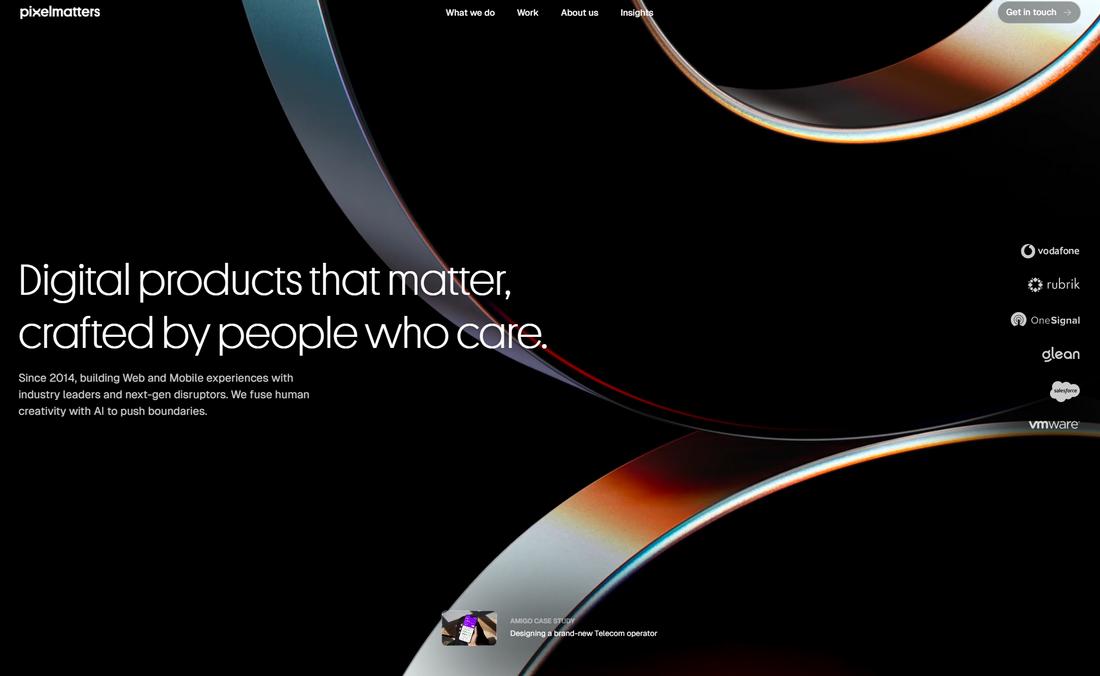
(Pixel Matters portfolio website)
Traditional portfolio design focuses on presentation, clean layout, crisp images, and organized projects. But the next step in evolution is context.
Storytelling transforms a static gallery into an experience, inviting the viewer to go deeper into each project rather than just skim through.
Think of your portfolio like a storybook, where each project is a chapter. The chapters might differ in tone and subject, but together, they tell one larger narrative: the story of you as a designer.
Each project should answer questions that move the story forward:
- What problem were you solving?
- Who was the design for?
- What process did you follow?
- What challenges did you overcome?
- What did you learn?
By framing your work in this way, you create flow. Each project becomes a journey that ends in insight and accomplishment, just like the climax of a story.
Creative Case Studies are the Building Blocks of Storytelling
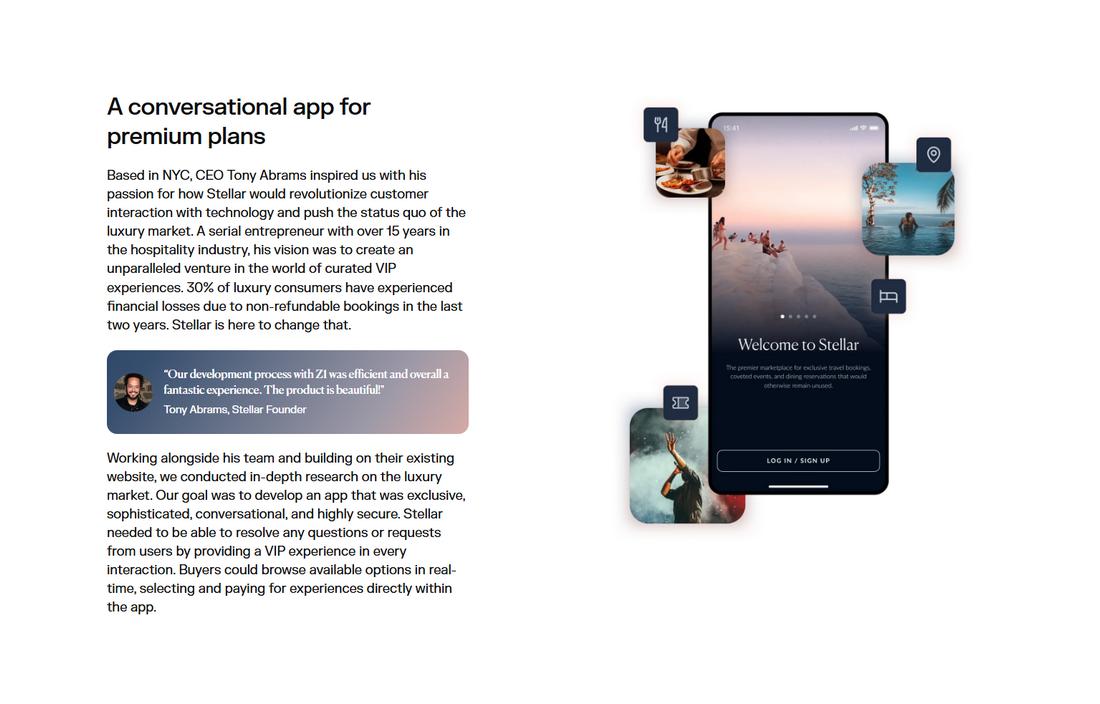
(A case study by Z1 Digital)
The best way to bring storytelling into your portfolio is through creative case studies.
A case study takes a single project and expands it into a full story. It reveals your thinking process and decision-making skills, not just the final visuals.
Clients and art directors love case studies because they provide clarity. They show that you understand strategy, communication, and user needs, skills that are just as important as design aesthetics.
Here’s a simple structure to help you turn projects into stories worth reading:
1. The Context
Every good story begins with a setting. Start your case study by describing who the client was, what industry they worked in, and what problem they wanted to solve.
Keep it brief but vivid enough to give readers a sense of why the project mattered.
For example, instead of saying, “I designed a website for a tech startup,” you could write, “A new software startup needed a website that would make their complex AI tools easy for non-technical users to understand.”
That one sentence gives purpose, tone, and direction.
2. The Challenge
Every story needs tension—the obstacle that makes the resolution meaningful. Explain what constraints or design problems you faced.
Was the client unsure of their brand voice? Did the timeline force quick decision-making? Were there accessibility goals to meet?
Honest reflection here makes you more relatable. Viewers aren’t just looking for flawless design; they want to see adaptability and problem-solving in action.
3. The Process
This is the heart of your case study and where storytelling really takes shape. Walk the reader through your process logically but conversationally.
What research methods did you use? How did you develop your ideas?
Use sketches, wireframes, or early mockups to show evolution. People love seeing how raw ideas become refined solutions.
It’s one of the most effective ways to humanize your work and demonstrate your creative thinking.
4. The Solution
After setting up the challenge and process, reveal the outcome. Present the final visuals, animations, or prototypes clearly and beautifully.
Describe your design choices briefly—why you chose certain colors, layouts, or typography. This shows intention, not just execution.
If you can include results or measurable impact (such as increased engagement or user satisfaction), even better.
Quantifiable outcomes make your story more persuasive and professional.
5. The Reflection
End each case study with insight. What did you learn from this project? How did it influence your approach to future work?
This reflection is the “epilogue” that helps readers see your growth as a designer.
Including lessons learned also sets you apart as someone who continually evolves, an essential trait in creative industries where tools and trends change fast.
Designing a Narrative Flow in Your Portfolio
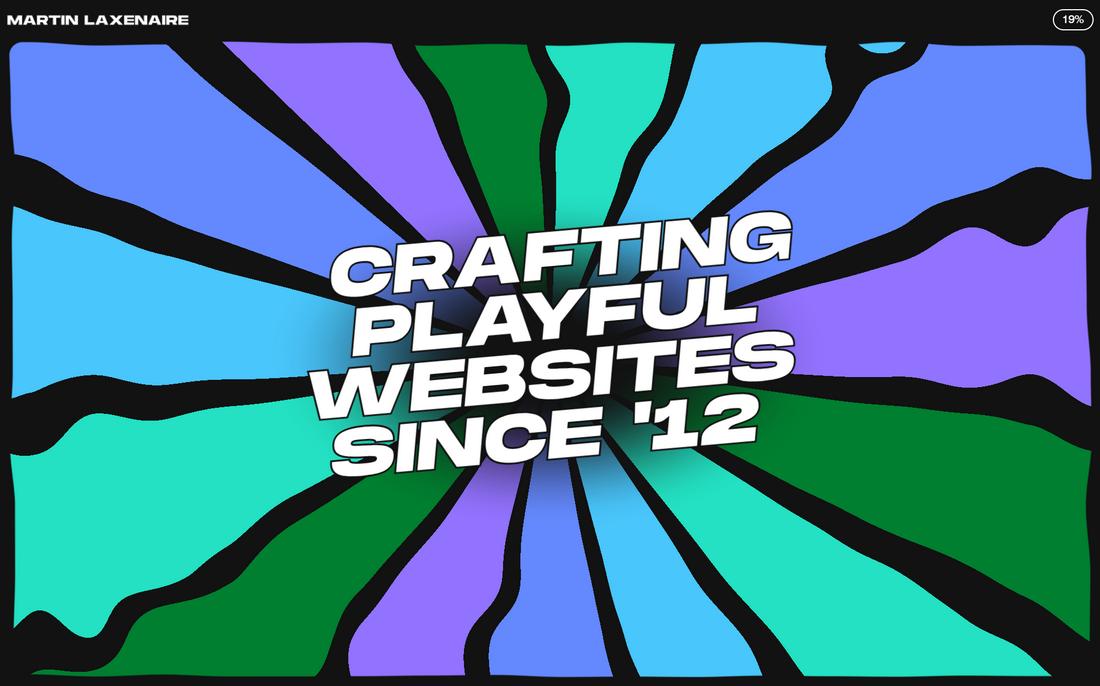
(Martin Laxenaire portfolio website)
The structure of your portfolio design matters just as much as the content. The goal is to create a rhythm that keeps people engaged from one project to the next.
A portfolio that tells stories well feels intuitive. It leads the viewer naturally from introduction to climax to conclusion.
Start with your strongest piece. Like the opening scene of a movie, it should grab attention and set expectations.
Follow it with projects that show range, then close with something memorable, perhaps a personal project or passion piece that shows who you are beyond client work.
Between each project, include subtle transitions—brief text lines or headers that introduce what’s coming next.
This gives your portfolio a sense of continuity, like chapters in a book rather than isolated pages.
The Visual Side of Storytelling
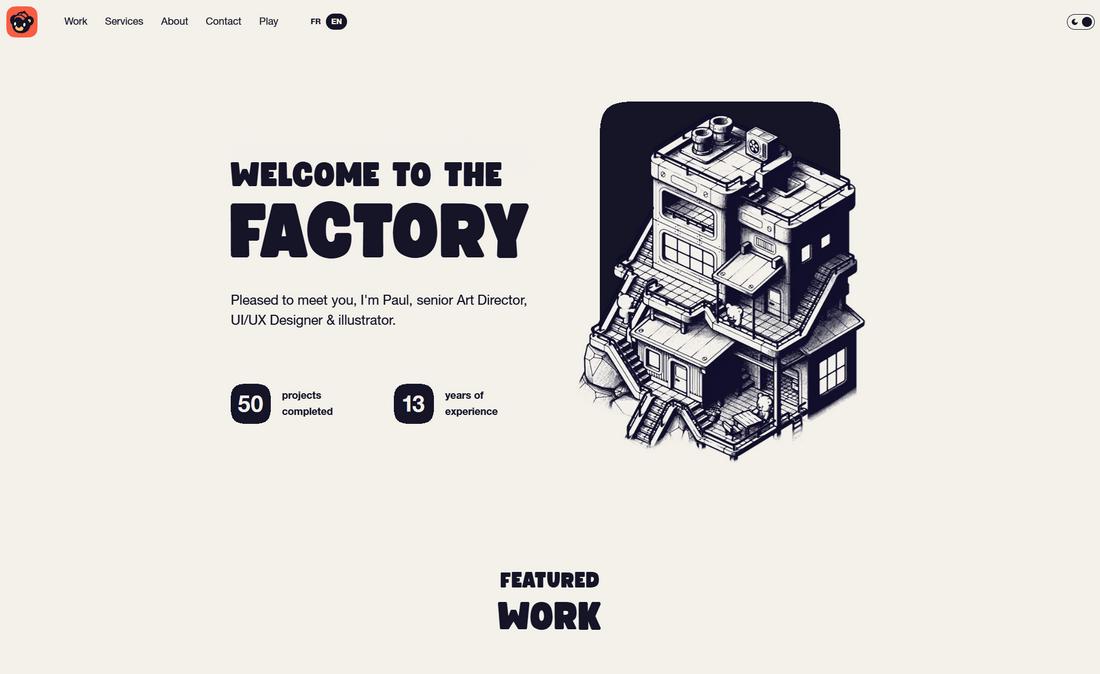
(Paul Factory portfolio website)
Storytelling isn’t just verbal; it’s visual too. Use composition, spacing, and hierarchy to guide how people read your portfolio.
Think of each section as a cinematic frame. Give the viewer breathing room. Alternate between wide shots (full layouts, context images) and close-ups (details, typography, color use).
Typography also plays a big role. Consistent and intentional type choices help maintain a narrative voice throughout your portfolio.
Choose fonts that complement your work without overpowering it.
Your color palette can reflect your overall mood, minimal and neutral if you want to focus on imagery, or more expressive if your style thrives on personality.
Above all, make sure visuals and text feel balanced. Too much text can slow the viewer down, but too many visuals without context can feel hollow.
The sweet spot is a portfolio that reads like a well-edited magazine—immersive, organized, and full of personality.
Building a Cohesive Narrative Across Your Portfolio
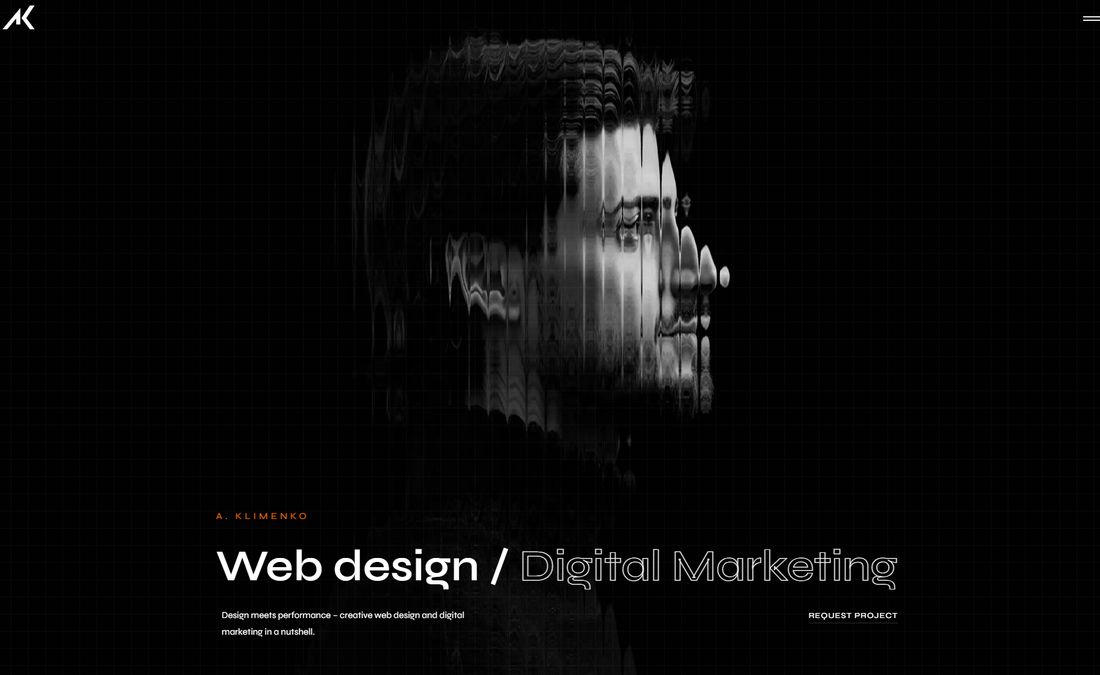
(A. Klimenko portfolio website)
Every project, every paragraph, and every image should reinforce a consistent creative identity.
Whether your work leans toward minimalist branding, bold illustration, or sleek UX, your tone and structure should feel unified.
This doesn’t mean every project looks the same. Instead, it means each piece feels like it belongs in the same world.
The best portfolios have a thread—an underlying voice, aesthetic, or value system that ties everything together.
It might be your love for storytelling, your passion for user-centered design, or your focus on clarity and communication.
Ask yourself: if someone browsed my portfolio for five minutes, what would they remember about me? That’s the story you’re really telling.
Once you define it, you can curate your work and write your case studies in a way that reinforces that core message.
Finding Your Voice in Portfolio Storytelling
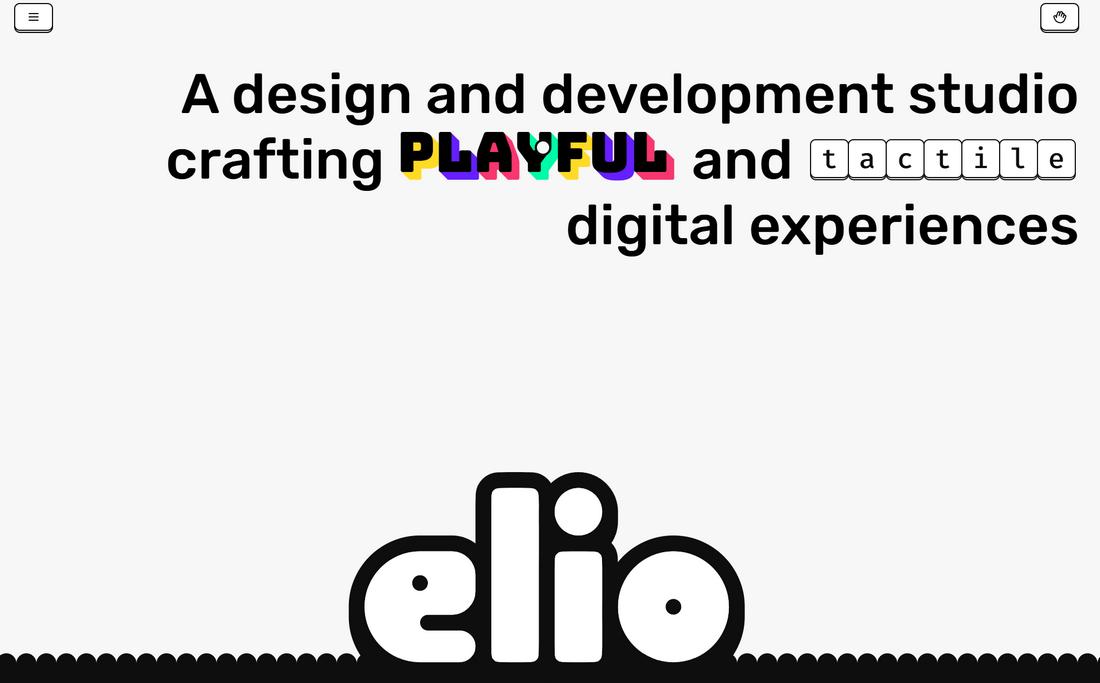
(Elio portfolio website)
Your written voice plays a big role in how your portfolio connects with people. It doesn’t have to sound overly formal or overly casual—it just has to sound like you.
Write your case studies as if you’re explaining your work to a curious client sitting across the table. Be confident but conversational.
Avoid buzzwords or jargon where possible. Phrases like “synergized multi-platform alignment” or “leveraged cross-functional optimization” feel impersonal and forgettable.
Instead, use simple, honest language that describes your process clearly. For example, “I worked closely with the client to simplify their user flow and make navigation more intuitive.”
That kind of sentence feels direct and human, qualities that clients trust.
Adding small reflections or personal insights throughout your creative case studies helps, too. If a project taught you something unexpected or challenged your creativity, say so.
Vulnerability makes you relatable and shows you’re self-aware enough to keep growing.
Why Emotion Matters in Portfolio Design

(Federico Menegoi portfolio website)
Finally, remember that storytelling in portfolios isn’t about exaggeration; it’s about emotion.
Great design is both logical and emotional, and your portfolio should reflect that duality.
If you designed something that made users feel empowered, explain it. If your favorite project taught you patience or empathy, include that insight.
Personal emotion connects with audiences far more effectively than buzzwords ever will.
The emotional honesty behind your projects transforms your portfolio from a resume into a storybook; it’s a living record of who you are as a creative professional.
Conclusion
Designers often walk a fine line between professionalism and personality in portfolio design. Too corporate, and you risk sounding generic. Too playful, and you might come across as unfocused.
The best approach is authenticity and presenting yourself as both capable and creative.
Your portfolio should reflect who you are, not who you think clients want you to be. If your work thrives on humor or experimentation, let that energy shine through your words and visuals. If your strength lies in structure and clarity, let that define your tone and layout.
The more your personality aligns with your presentation, the more believable and engaging your story becomes.